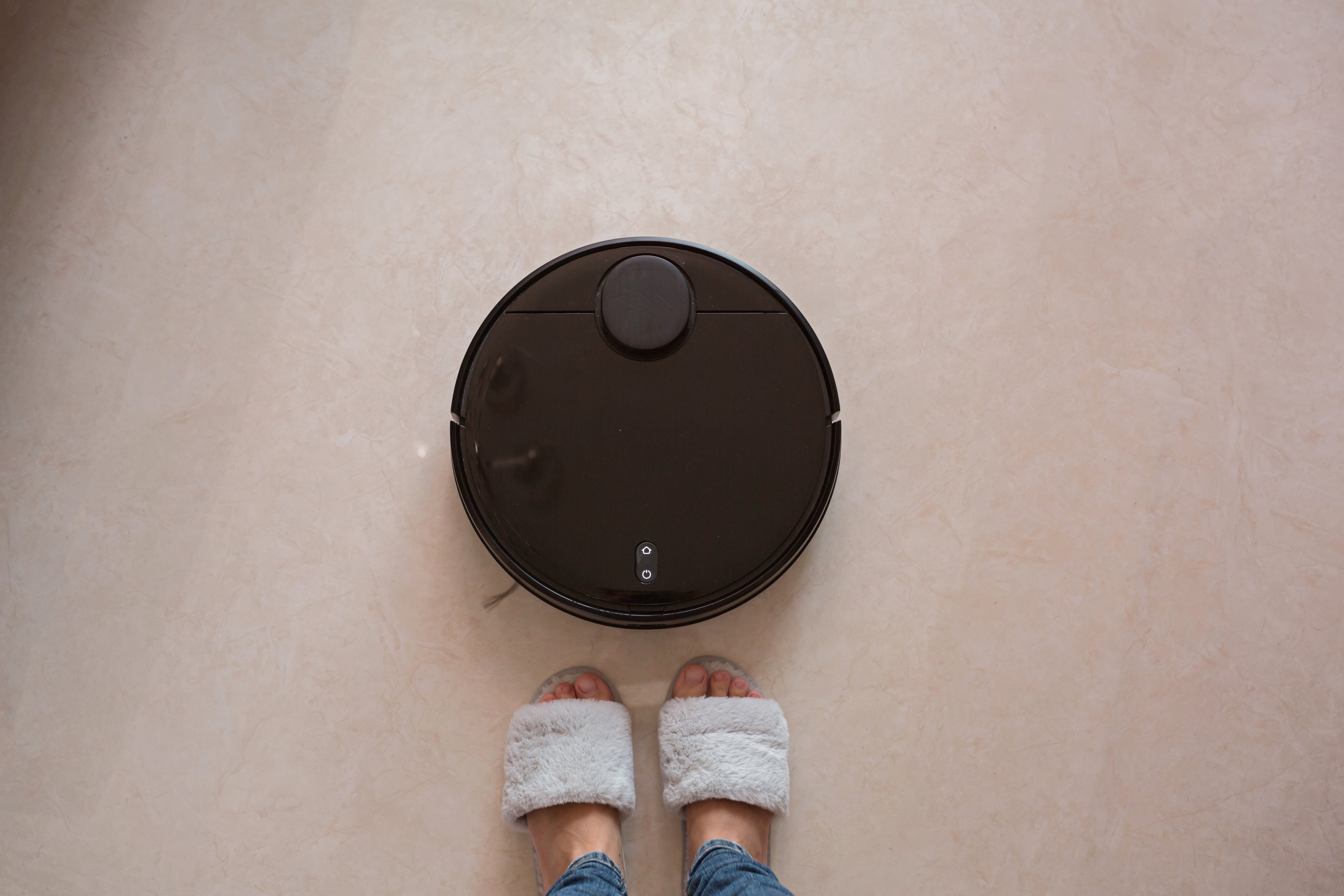
The Evolution of Robot Hoovers: Revolutionizing Home Cleaning
Robot hoovers, likewise called robotic vacuum, have actually transformed how individuals approach home cleaning tasks. At first introduced in the late 1990s, these autonomous makers have progressed rapidly due to improvements in innovation, expert system, and machine knowing. Best Robot Cleaner , they are equipped with a selection of features that make them extremely effective in preserving cleanliness in living spaces. This post checks out the history, functioning, benefits, and future of robot hoovers.
The History of Robot Hoovers
The idea of robotic vacuums dates back to the 1970s, however it wasn't until the launch of the Roomba by iRobot in 2002 that they got mainstream attention. The Roomba was designed to automatically browse numerous surfaces, preventing challenges while effectively cleaning floorings. Ever since, several substantial developments have actually occurred, consisting of:
| Year | Development |
|---|---|
| 1996 | Very first prototype robotic vacuum cleaner established by a Japanese company. |
| 2002 | iRobot introduces the Roomba, mass promoting robotic vacuums. |
| 2004 | Intro of the first Roomba with a dirt detection sensing unit. |
| 2011 | Introduce of models with wireless capabilities and smart device integration. |
| 2020 | Advanced designs featuring AI, enhanced navigation systems, and mopping capabilities. |
How Robot Hoovers Work
Robot hoovers operate on a combination of sensors, cams, and algorithms that enable them to tidy effectively. Key elements of these gadgets consist of:
Sensors:
- Obstacle Avoidance Sensors: Detect walls, furnishings, and even stairs, preventing accidents and falls.
- Dirt Detection Sensors: Identify locations that need more comprehensive cleaning.
Navigation:
- Gyroscopes: Help determine the robot's orientation and motion.
- Cams and Lidar: Enable mapping of the home environment to develop ideal cleaning paths.
Cleaning Mechanisms:
- Vacuum Motors: Generate suction to get dirt and debris.
- Brush Rollers: Agitate dirt out of carpets for much deeper cleaning.
Power Supply:
- Batteries: Rechargeable lithium-ion batteries supply the required power for prolonged cleaning cycles.
User Interface:
- Mobile Apps and Smart Home Integration: Users can schedule cleanings, display performance, and manage the robot from another location.
Advantages of Robot Hoovers
Robot hoovers use numerous advantages, making them an enticing choice for modern-day homes:
- Time-Saving: Automated cleaning enables users to concentrate on other jobs while the robot efficiently cleans up floors.
- Convenience: Many designs can be scheduled for cleaning sessions, making sure that homes stay neat without manual effort.
- Accessibility: Ideal for individuals with mobility obstacles or hectic lifestyles, making it possible for simpler home maintenance.
- Constant Cleaning: Regular, automated cleanings reduce the accumulation of dirt and irritants, adding to a much healthier living environment.
- Smart Technology: Integration with smart home systems enables for increased control and modification.
Limitations of Robot Hoovers
Despite their advantages, robot hoovers include particular restrictions:
- Navigation Challenges: They might struggle in chaotic areas or with certain floor types such as high-pile carpets.
- Battery Life: Most designs require routine charging, which can limit cleaning period.
- Maintenance: Regular cleaning of filters, brushes, and clearing dust bins is needed for ideal performance.
- Price: Advanced designs can be pricey compared to standard vacuum cleaners.
The Future of Robot Hoovers
As innovation continues to develop, the future of robot hoovers looks appealing. Anticipated advancements include:
- Improved AI: Enhanced algorithms will permit for better object recognition and vibrant mapping of areas.
- Hybrid Models: Integration of vacuuming and mopping abilities in one device will provide a detailed cleaning option.
- Increased Autonomy: Future designs may navigate even the most complicated environments without human intervention.
- Sustainability: Battery technology developments will result in longer-lasting, more energy-efficient robots.
Regularly Asked Questions (FAQs)
1. Are robot hoovers efficient for animal hair removal?
Yes, lots of robot hoovers are specifically designed to tackle pet hair with powerful suction and specialized brushes that reduce tangling.
2. How do robot hoovers navigate around furniture?
Robot hoovers use a combination of sensors and cams to identify challenges, permitting them to navigate around furnishings and prevent crashes.
3. Can robot hoovers clean carpets?
Many modern robot hoovers work on both tough floorings and carpets. It is a good idea to check the specifications of private models for particular efficiency.
4. Do robot hoovers need programs?
Many robot hoovers include user-friendly apps that allow owners to set schedules and customize cleaning preferences, making shows uncomplicated.
5. How much do robot hoovers cost?
Rates for robot hoovers differ commonly, ranging from ₤ 200 to around ₤ 1,500, depending on features and brand.
Robot hoovers have come a long method given that their inception, using an efficient and practical cleaning solution for modern-day homes. Their increasing ability and intelligence make them a useful option for people seeking to simplify their cleaning regimens. As technology continues to advance, robot hoovers will likely end up being a lot more capable, supplying extra features that accommodate the evolving needs of users. Their journey from novelty to necessity underscores a basic shift in how society approaches home upkeep, marking a significant turning point in the intersection of innovation and life.